“Repulsion 1965” is a disturbing film that follows the slow descent into madness of a young woman. The film is a snapshot of the psychological breakdown experienced by the protagonist as she becomes increasingly trapped in her own mind. Dark and ominous, “Repulsion 1965” is an intense exploration of the human mind and its capacity for both beauty and horror.
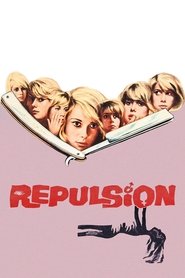
↓↓↓
Review
Maya Angelou was a phenomenal writer and activist who has inspired countless people throughout the world. In the spirit of her legacy, let’s delve into the movie “Repulsion,” a psychological horror film that is as haunting as it is disturbing.
The storyline of “Repulsion” centers around a young woman named Carol, played by Catherine Deneuve, who is struggling with intense feelings of isolation and anxiety. The audience follows Carol as she spirals into madness and becomes increasingly violent towards those around her.
The plot of the film is deeply unsettling, and director Roman Polanski does an excellent job of creating a tense atmosphere that keeps viewers on edge throughout. The movie’s themes explore the consequences of trauma and mental illness, which are portrayed in a way that feels both authentic and terrifying.
Catherine Deneuve’s performance as Carol is nothing short of extraordinary. She captures the character’s fragile state with incredible nuance and depth, making the audience empathize with her even as she descends into violence. Deneuve’s acting skills are on full display in this film, and it’s no wonder that she continues to be one of cinema’s most enduring icons.
The other cast members also deliver strong performances, particularly Yvonne Furneaux, who plays Carol’s sister. Furneaux brings a sense of warmth to the film despite its dark subject matter, which helps to ground viewers amidst all the chaos.
One memorable quote from “Repulsion” comes from Carol herself: “Sometimes when I walk down this street I feel like all these buildings are closing in on me.” This line encapsulates Carol’s sense of fear and helplessness, which is central to the film’s themes.
The history of “Repulsion” is intertwined with Polanski’s own personal life. In many ways, the movie can be seen as his response to his experiences living through World War II in Poland. The film explores trauma and mental illness in a way that feels deeply personal, which contributes to its lasting impact.
Despite receiving critical acclaim upon its release, “Repulsion” wasn’t immediately popular with audiences. However, over time, the film has become recognized as a classic of the horror genre and continues to be celebrated by cinephiles around the world.
The cinematography of “Repulsion” is masterful, particularly in how it uses light and shadow to heighten tension and create a sense of unease. The film’s black-and-white visuals are stark and haunting, which only adds to its power as a piece of art.
The score of “Repulsion” is also effective in creating a sense of dread throughout the film. Composer Chico Hamilton’s jazz-infused music perfectly captures the chaotic nature of Carol’s descent into madness.
One particularly memorable scene from “Repulsion” involves Carol hallucinating hands emerging from her walls. This sequence is both surreal and terrifying, showcasing Polanski’s unique directorial vision.
There have been rumors regarding Polanski’s controversial past cropping up in recent years, but it’s important to remember that discussions around art can exist separate from their creators. Regardless of Polanski’s personal life, “Repulsion” remains an incredibly powerful movie that deserves recognition for its artistic merit.
In terms of awards, “Repulsion” was not widely recognized upon its release. However, the film has since been celebrated by critics and cinephiles alike as a groundbreaking work within the horror genre.
In addition to its cinematography and acting performances, “Repulsion” also features impressive editing techniques that help to create a feeling of disorientation for viewers. The use of jump cuts creates an unsettling sense of discordance throughout the film.
Overall, “Repulsion” is a disturbing yet captivating work of art that explores complex themes with nuance and depth. Its examination of trauma and mental illness feels relevant even today, and its influence on the horror genre cannot be understated. Whether you’re a fan of horror movies or just appreciate great filmmaking, “Repulsion” is definitely worth a watch.
Technical Data

- Runtime : 105
- Release : 1965-06-01
- Genre : Drama, Thriller, Horror
- Cast : Catherine Deneuve as Carole Ledoux, Ian Hendry as Michael, John Fraser as Colin, Yvonne Furneaux as Hélène Ledoux, Patrick Wymark as le propriétaire
- Crew : Gilbert Taylor as Director of Photography, Gérard Brach as Screenplay, Roman Polanski as Screenplay, Roman Polanski as Director, Tom Smith as Makeup Artist
- Popularity 9.851
- Budget : $300,000
- Revenue : 0
- Company : Compton Films, Tekli British Productions
- Summary : Beautiful young manicurist Carole suffers from androphobia (the pathological fear of interaction with men). When her sister and roommate, Helen, leaves their London flat to go on an Italian holiday with her married boyfriend, Carole withdraws into her apartment. She begins to experience frightful hallucinations, her fear gradually mutating into madness.
- Tagline : The nightmare world of a virgin’s dreams becomes the screen’s shocking reality!
