“Bonjour Tristesse” is a black-and-white film from 1958, based on the novel of the same name by Francoise Sagan. The movie follows the story of a young woman and her father’s romantic escapades during a summer on the French Riviera. Cecile, played by Jean Seberg, must navigate her own desires and her father’s unpredictable behavior while grappling with the consequences of their actions. Directed by Otto Preminger, “Bonjour Tristesse” is a stylish and emotionally charged tale of youth and its discontents.
⇩⇩⇩
Review
Ernest Hemingway was a master of storytelling, known for his spare and straightforward prose. In the spirit of Papa, let’s talk about the iconic film “Bonjour Tristesse” – a movie that captures the spirit of youth, love, and betrayal.
The storyline of the movie begins with a young girl named Cécile (played by Jean Seberg) who is living with her playboy father Raymond (David Niven) on the French Riviera. The summer is spent in leisurely pursuits, with parties, cocktails and swimsuits as far as the eye can see. However, things take a turn when Raymond’s former lover Anne (Deborah Kerr) arrives on the scene, throwing Cécile’s carefree existence into chaos.
The plot follows Cécile’s attempts to rid herself from Anne’s encroaching presence while simultaneously trying to seduce her own paramour Cyril (Geoffrey Horne). The story takes a dark turn when an unexpected tragedy occurs and Cécile is forced to confront her feelings and culpability in what has happened.
The fact that “Bonjour Tristesse” was based on a novel by Françoise Sagan only adds to its charm. The book was written when Sagan was just 18 years old – an incredible feat for anyone – and it shows in the youthful energy of the story. It was instantly popular in France upon its release in 1954 and would later be translated into dozens of languages.
The cast features some big names from Hollywood’s “Golden Age”. David Niven brings his trademark debonair charm to the role of Raymond while Deborah Kerr injects Anne with some much-needed gravitas. Both actors are veterans and their skills show throughout. But it is Jean Seberg who truly shines as Cécile; her bright-eyed innocence giving way to darker emotions as she grapples with her identity in an ever-changing world.
The score, composed by Georges Auric, is a fitting accompaniment to the film. It’s a playful and romantic suite of music that perfectly captures the light-hearted spirit of the summer holiday. However, as the plot thickens, Auric’s score takes on a more somber tone.
Despite its popularity overseas, “Bonjour Tristesse” was not initially well-received in America. Critics panned it for being too “frivolous” and “insubstantial”. However, over time the film has proved to be an enduring classic with a cult following.
The filming of “Bonjour Tristesse” took place primarily in French locations such as Nice and Cannes. The lush scenery and stunning architecture help to create an idyllic setting that is both alluring and dangerous.
In terms of awards, “Bonjour Tristesse” did not receive any major accolades upon its release. However, it remains an important work of cinema history due to its themes and groundbreaking style.
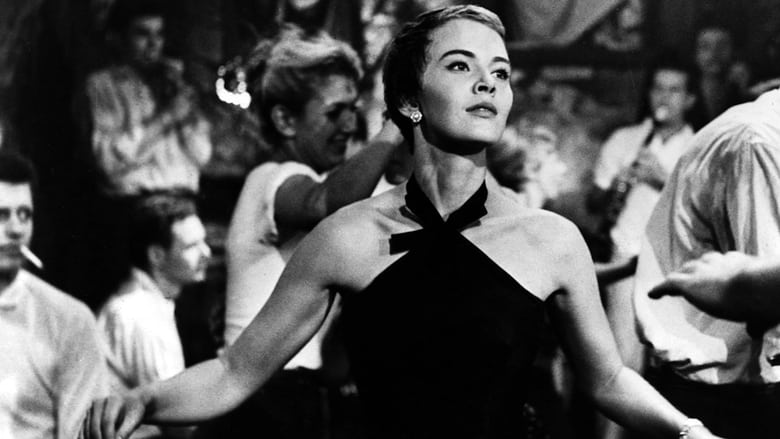
Cinematography-wise, the movie was ahead of its time. The use of color palettes to represent different moods or characters was something not often seen at the time. The camera work also made an effort to showcase Jean Seberg’s natural beauty – often showing her in close-ups throughout scenes.
Opinions differ when it comes to analyzing this film’s special effects or lack thereof. However, with such a simple plot, there wasn’t much need for flashy effects or camera tricks.
In terms of dialogue and development, some have criticized “Bonjour Tristesse” for being too wordy at times – particularly during moments when characters are reflecting on their emotions rather than acting them out physically. But this is precisely what makes this movie so powerful; it shows that words can be just as deadly as actions themselves.
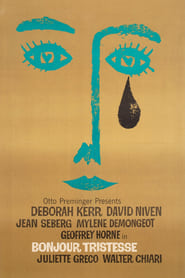
The production team behind “Bonjour Tristesse” includes some heavy hitters from Hollywood’s Golden Age era – from Otto Preminger, who directed the film, to Saul Bass, who designed the opening credits and posters. The crew was certainly a talented bunch and their efforts helped to make this movie stand out.
Despite its flaws – including some dated gender roles that are cringe-worthy by today’s standards – “Bonjour Tristesse” remains an enduring work of cinema history. It is a tale of love, power, and betrayal that resonates even to this day. As Hemingway might say, it’s a story that “grabs you by the gut and doesn’t let go.”
Technical Data
- Runtime : 94
- Release : 1958-01-15
- Genre : Drama, Romance
- Cast : Deborah Kerr as Anne Larson, David Niven as Raymond, Jean Seberg as Cecile, Mylène Demongeot as Elsa, Geoffrey Horne as Philippe
- Crew : Otto Preminger as Director, Otto Preminger as Producer, Georges Auric as Original Music Composer, Ray Simm as Art Direction, Arthur Laurents as Screenplay
- Popularity 11.341
- Budget : 0
- Revenue : 0
- Company : Wheel Productions, Columbia Pictures
- Summary : Cecile is a decadent young girl who lives with her rich playboy father, Raymond. When Anne, Raymond’s old love interest, comes to Raymond’s villa, Cecile is afraid for her way of life.
- Tagline :
