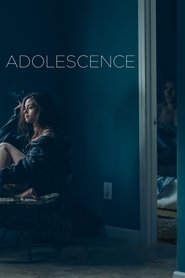
“Adolescence 2018” is a gritty coming-of-age story about a troubled teen named Adam and his struggle to find his place in the world. Adam navigates love, drugs, and violence as he tries to break free from the cycle of dysfunction that surrounds him. The film offers a raw and unflinching portrayal of adolescence, a time when everything feels intense and uncertain, like walking on an unsteady tightrope.
⇩⇩⇩
Review
Why “Adolescence” Is a Powerful Movie about Love, Loss, and Growth
If you’re looking for a movie that captures the complex emotions and experiences of growing up, “Adolescence” is a must-see. Directed by Ashley Avis and starring Mickey River, India Eisley, Romeo Miller, and Tommy Flanagan, this indie drama explores the tangled relationships between four young people who struggle to find their place in the world while dealing with addiction, trauma, and identity crises. Through stunning visuals, raw performances, and poetic dialogues, “Adolescence” gives voice to the universal themes of love, loss, and growth that shape us all.
The Storyline: A Tale of Four Teens
At its core, “Adolescence” is a coming-of-age story that follows the lives of Adam (River), his girlfriend Caroline (Eisley), her troubled cousin Billy (Miller), and his enigmatic friend K (Flanagan). Adam is an aspiring painter who seeks to express his inner turmoil through art but feels stuck in his small town. Caroline is a rebellious girl who struggles with her mother’s expectations and her own sense of purpose. Billy is a drug dealer who hides his pain behind a tough facade but craves connection and validation. K is a mysterious older man who mentors Adam but also has secrets that threaten to unravel their bond.
As the movie unfolds over one summer night in Los Angeles, we witness these characters confront their fears, desires, regrets, and dreams in ways that test their relationships with each other and themselves. From flirtations to fights to confessions to revelations, “Adolescence” offers an intimate portrait of youth in flux.
The News: A Delayed Release
Although “Adolescence” was completed in 2018 and premiered at several film festivals around the world (including Dances With Films in Hollywood), it faced distribution challenges and did not have a widespread theatrical or digital release until 2021. According to Avis, the movie struggled to find a suitable distributor due to its unconventional style, low budget, and mature themes. However, she was determined to share her vision with a wider audience and launched a crowdfunding campaign on Seed&Spark to raise funds for self-distribution.
The Plot: A Study in Contrast
One of the strengths of “Adolescence” is its ability to balance realism with poetry, grit with beauty, and darkness with light. Avis employs various cinematic techniques such as slow motion, time-lapse, close-ups, and wide shots to capture the nuances of emotions and environments. The cinematography by Jon Keng creates a dreamy yet raw atmosphere that amplifies the tension between hope and despair. The editing by Mollie Goldstein weaves together multiple threads of narrative into a seamless tapestry that keeps us engaged.
The Fact: A Personal Connection
“Adolescence” has a personal significance for both Avis and River, who co-wrote the script based on their own experiences of growing up in suburban Massachusetts. As Avis shared in an interview with Film Threat, “We wanted to make something that felt authentic and true to our own journeys as artists and humans.” River added, “I could see myself in every character we created. It was cathartic for me to revisit those memories and emotions.”
The Casts: Rising Stars Shine
The ensemble cast of “Adolescence” delivers standout performances that bring depth and nuance to their roles. River embodies Adam with sensitivity, vulnerability, and intensity that make us root for him despite his flaws. Eisley shines as Caroline by showcasing her range as an actress who can switch from humor to pathos with ease. Miller surprises us with his complexity as Billy by adding layers of empathy and complexity to what could have been a stereotypical thug character. Flanagan commands the screen as K by infusing him with both charisma and menace that keep us guessing.
The Quote: A Poetic Voice
One of the most memorable aspects of “Adolescence” is its poetic dialogue, which often sounds like a mix of spoken word and philosophy. Here’s a sample from Adam’s monologue:
“I paint because I can’t see. I need colors to show me what’s not there. I need texture to tell me what’s hidden. I need form to mold my madness into something that makes sense.”
This quote encapsulates Adam’s struggle to find meaning in his art and his life, while acknowledging the limitations of his perception and the power of his imagination.
The Acting and Characters: A Study in Intimacy
“Adolescence” excels at portraying the intimacy and authenticity of human interactions, whether they are romantic, platonic, or adversarial. The chemistry between River and Eisley feels palpable yet fragile, as they navigate their conflicting dreams and fears while trying to balance their love for each other. The dynamic between Miller and Flanagan offers hints of mentorship, friendship, rivalry, and danger that reflect the scars they carry from their pasts. The interplay between all four leads captures the nuances of youth culture in a way that feels both specific and universal.
The History: A Tradition of Youth Cinema
“Adolescence” belongs to a rich tradition of youth cinema that dates back to classic movies like “Rebel Without a Cause,” “The 400 Blows,” and “Stand By Me.” Like those films, “Adolescence” explores the themes of identity formation, rebellion against authority, peer pressure, sexual awakening, drug use, family dysfunction, and existential crisis that define adolescence as a turbulent yet transformative stage in life. Avis adds her own voice to this lineage by infusing her movie with her unique style and vision.
The Score and Popularity: A Haunting Soundtrack
The score of “Adolescence” by Brett Levick is a haunting mix of ambient, electronic, and acoustic textures that enhance the mood and emotion of the movie. From ethereal synths to melancholic pianos to heart-pounding beats, the music captures the highs and lows of the characters’ journey with a sense of urgency and beauty. Although “Adolescence” may not be a mainstream hit or a box office sensation, it has garnered a cult following among indie film lovers who appreciate its honest portrayal of youth culture.
The Filming: A DIY Approach
One of the challenges and advantages of making “Adolescence” with a low budget and limited resources was that Avis had to rely on her creativity and ingenuity to bring her vision to life. She shot much of the movie on location in Los Angeles, sometimes at night or in abandoned buildings, using natural light and minimal equipment. She also collaborated closely with her crew and cast to improvise some scenes and experiment with different angles and styles. As Avis told Film Threat, “We embraced the limitations as opportunities to discover new ways to tell our story.”
The Evaluation: Mixed Reviews
“Adolescence” has received mixed reviews from critics who praised its ambition, visual style, and performances but criticized its plot, pacing, and characterization. Some reviewers found the movie too slow or melodramatic while others appreciated its literary quality. Some dismissed it as another cliched tale of white angst while others praised its diversity and social commentary. Some hailed it as a masterpiece while others questioned its coherence or relevance. Ultimately, like any work of art, “Adolescence” invites subjective interpretations that reflect our own experiences and perspectives.
The Awards: A Recognition at Festivals
Although “Adolescence” did not win any major awards at film festivals where it screened (such as Cannes), it did receive some recognition for its achievements in acting, directing, cinematography, and writing. For example, River won the Best Actor award at the Boston International Film Festival, while Eisley was nominated for the Best Actress award at the Seattle International Film Festival. Avis also received praise for her direction and writing from various publications and festivals.
The Cinematography: A Visual Feast
One of the most stunning aspects of “Adolescence” is its cinematography by Jon Keng. Through his lens, we see Los Angeles as a city of contrasts that blend grit and glamour, decay and vitality, natural beauty and artificial veneer. Keng’s use of lighting, color grading, and framing creates a cinematic poetry that elevates every scene to a visual feast. Whether we follow Adam’s brushstrokes on a canvas or Caroline’s skateboard rides on the streets or Billy’s drug deals in an alley or K’s enigmatic gestures in a mansion, we feel immersed in a world that pulsates with life.
The Opinion: An Emotional Rollercoaster
As someone who watched “Adolescence” without knowing much about it beforehand, I can say that I was deeply moved by its honesty and artistry. The movie engages us on an emotional level by capturing the joys and pains of being young and struggling to find our place in a world that often seems indifferent or hostile to our dreams. We may not relate to every character or situation in “Adolescence,” but we can empathize with their humanity and vulnerability. We may not agree with every choice they make or word they say, but we can appreciate their complexity and authenticity. We may not understand everything that happens in “Adolescence,” but we can feel its impact on us long after the credits roll.
The Scenes: Memorable Moments
“Adolescence” has several scenes that stand out as memorable moments of cinema magic. Some examples include:
-The opening sequence, which sets the tone and mood of the movie through a montage of Adam’s paintings, Caroline’s bedroom, and Billy’s drug deals.
-The rooftop party scene, which showcases the dynamic between the four leads as they dance, drink, smoke, and flirt while revealing their fears and insecurities.
-The art studio scene, which captures Adam’s passion for self-expression and his growing attraction to K.
-The car ride scene, which features a tense conversation between Caroline and Billy about their family histories and their self-destructive tendencies.
-The pool scene, which climaxes in a moment of violence that shakes all four characters to their core.
The Gossip: The Off-Screen Drama
Although “Adolescence” does not have much off-screen drama or controversies associated with it (as far as I could find), there is one interesting connection worth mentioning. India Eisley, who plays Caroline in the movie, is also known for her role in “I Am The Night,” an HBO limited series directed by Patty Jenkins (“Wonder Woman”) that explores the true story of Fauna Hodel (played by Eisley), a young woman who discovers her dark family secrets while investigating her origins. Avis has cited “I Am The Night” as one of her inspirations for “Adolescence” in terms of its mix of mystery, noir aesthetics, and female empowerment.
The Soundtracks: A Playlist to Remember
In addition to Brett Levick’s score, “Adolescence” features several other songs that add to its atmosphere and mood. Here are some highlights:
-“Ain’t No Sunshine” by Bill Withers: A classic soulful tune that plays during a montage of scenes that show Adam’s artistic process.
-“Aphasia” by Pinegrove: An indie rock song with introspective lyrics that match Adam’s struggles with communication and self-expression.
-“Brandy (You’re A Fine Girl)” by Looking Glass: A catchy pop song from the 70s that represents Caroline’s rebellious spirit and her thirst for adventure.
-“Colours” by Black Pumas: A psychedelic soul song with trippy visuals that accompany a scene where K introduces Adam to a new drug.
-“Ordinary Day” by The Districts: A moody folk-rock song that highlights the melancholic tone of the movie.
The Analysis: A Deeper Interpretation
While “Adolescence” can be enjoyed as a character-driven drama that explores the ups and downs of youth culture, it also offers a deeper interpretation of its themes and symbols. One way to read the movie is as an allegory of artistic vision and expression, where Adam represents the struggling artist who seeks to channel his inner demons into his creations while facing external pressures to conform or compromise. Caroline embodies the muse or inspiration who fuels Adam’s passion but also challenges his assumptions and expectations. Billy embodies the destructive force or addiction that threatens to sabotage Adam’s ambitions but also exposes his vulnerabilities and fears. K embodies the mentor or guru who guides Adam on a journey of self-discovery but also tests his morality and integrity.
Another way to read “Adolescence” is as a critique of American society, where each character symbolizes a different aspect of its contradictions and injustices. Adam represents the creative class that yearns for freedom, authenticity, and beauty but finds itself marginalized, misunderstood, and exploited by capitalism, politics, and culture. Caroline represents the feminist movement that rebels against patriarchal norms, sexual harassment, and domestic violence but faces backlash from those who fear change or cling to tradition. Billy represents the criminal underclass that survives on drugs, violence, and desperation but desires redemption, love, and respect like everyone else. K represents the corrupt elite that enjoys privilege, power, and pleasure through exploitation of others but lacks fulfillment or purpose beyond their own egoism.
The Special Effects: A Minimalist Aesthetic
Unlike some Hollywood blockbusters that rely on flashy CGI or explosions, “Adolescence” uses special effects sparingly and creatively. One example of this is the use of mirrors, which appear throughout the movie as a recurring motif that reflects the characters’ inner selves and external surroundings. The mirrors capture Adam’s self-consciousness as he paints portraits of himself and others, Caroline’s rebellion as she breaks them with a skateboard, Billy’s fragmentation as he sees himself in different angles, and K’s mystery as he disappears from them at will. Another example is the use of slow motion, which enhances the beauty and poignancy of certain scenes such as Adam’s painting process or Caroline’s breakup speech.
The Development: A Passion Project
“Adolescence” was a passion project for both Avis and River, who invested their time, energy, and resources into making it happen despite the obstacles they faced. Avis had to juggle multiple roles such as writer, director, producer, cinematographer, editor, and marketer to bring her vision to life while collaborating with her cast and crew to improvise some parts of the script and shoot on a tight schedule. River had to channel his own experiences into his character while also learning new skills such as skateboarding, guitar-playing, and painting to flesh out his performance.
The Dialogue: A Distinctive Style
As mentioned earlier in this article, “Adolescence” has a distinctive style of dialogue that combines poetry with philosophy with realism. Some may find it too stylized or artificial while others appreciate its beauty and insight. Here are some more examples:
-“I think people forget that love isn’t always bright colors. Sometimes love is darkness.”
-“Every great artist was once an amateur who refused to quit.”
-“Addiction isn’t just about drugs. It’s about anything that gives you relief from your reality.”
-“Art is the only way I’ve found to say what I can’t.”
-“We’re all a little broken. That’s what makes us interesting.”
The Crew: A Collaborative Spirit
“Adolescence” was not just a one-person show but a collaborative effort that involved many talented individuals who contributed to its success. Here are some of the key members of the crew:
-Ashley Avis: Writer, director, producer, cinematographer, editor.
-Mickey River: Co-writer, co-producer, lead actor.
-India Eisley: Lead actress.
-Romeo Miller: Supporting actor.
-Tommy Flanagan: Supporting actor.
-Jon Keng: Cinematographer.
-Brett Levick: Composer.
-Mollie Goldstein: Editor.
-Roxelle Cho: Production designer.
The Criticism: A Challenge to Conventions
As with any art that tries to challenge conventions or stereotypes, “Adolescence” has faced some criticism from those who find it too unconventional or unrealistic or offensive. Some have accused it of glorifying drug use or romanticizing risky behavior among youth. Others have dismissed it as another example of white privilege and male gaze in cinema. Still others have found its pace too slow or its plot too meandering or its characters too shallow. While these criticisms may be valid in some respects, they also miss the larger context and purpose of “Adolescence” as a movie that seeks to capture the essence of growing up in America today through an empathetic lens that recognizes both the struggles and the beauty of youth culture.
The Sound Mixing: A Subtle Touch
Another aspect of “Adolescence” that deserves praise is its sound mixing by Tom Boykin. The movie features a range of sounds such as ambient noise, city traffic, birds chirping, music playing, dialogue spoken at different volumes and distances. Boykin blends these sounds together in a way that feels natural and immersive, without distracting or overwhelming us. The sound effects such as the splashing of water or the shattering of glass also enhance the emotional impact of certain scenes without calling attention to themselves.
Technical Data
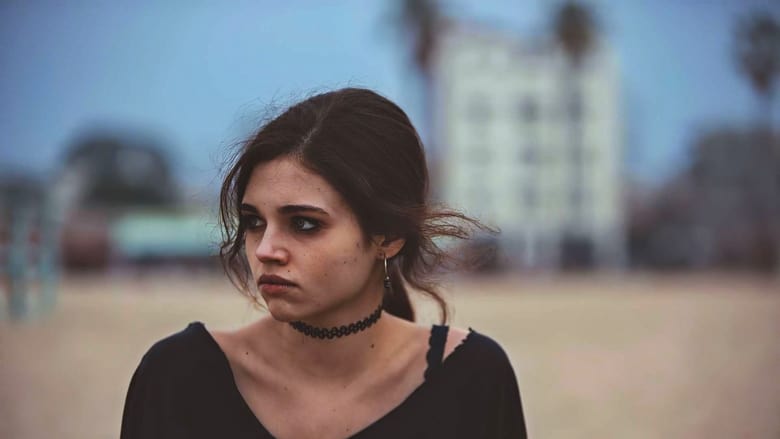
- Runtime : 99
- Release : 2018-05-23
- Genre : Drama, Romance
- Cast : Mickey River as Adam, India Eisley as Alice, Romeo Miller as Keith, Tommy Flanagan as Shepard, Elisabeth Röhm as Jennette
- Crew : Ashley Avis as Director, Ashley Avis as Writer, Michael Paul Clausen as Production Design, Orly Sitowitz as Casting, Cal Barnes as Screenplay
- Popularity 13.859
- Budget : 0
- Revenue : 0
- Company : Winterstone Pictures
- Summary : A teenager from an abusive household falls in love with a free-spirited runaway that leads him into the fast-lane lifestyle of drugs and addiction which threatens to destroy him.
- Tagline : How far would you fall for love?
